
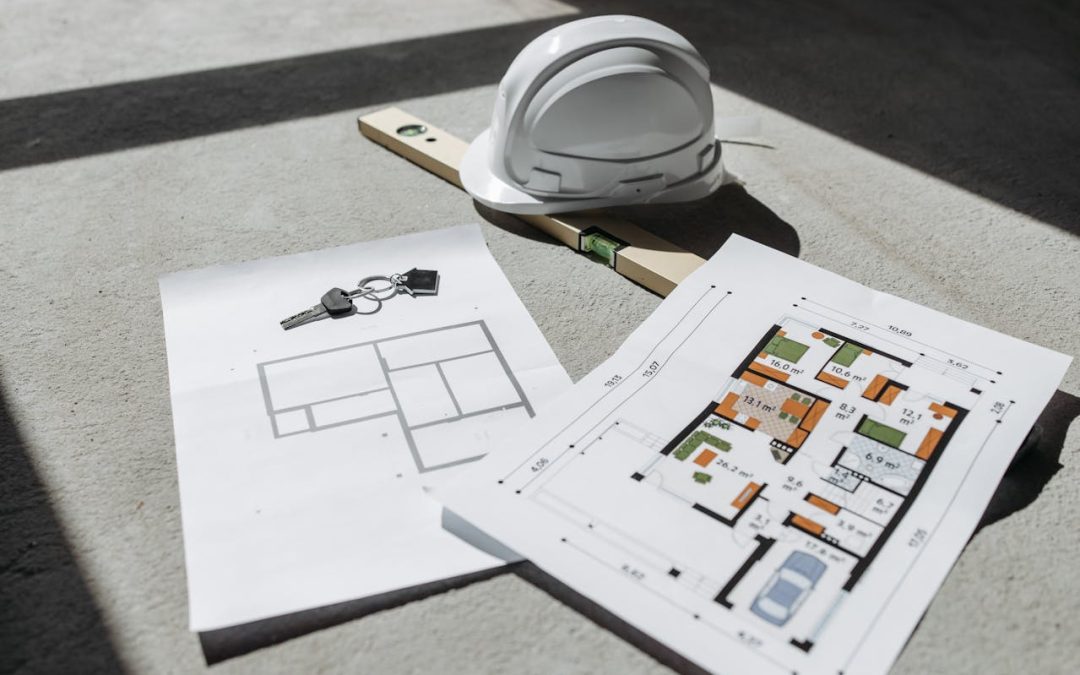
The Essence of Home Construction
Home construction is more than just a process; it’s a journey that transforms dreams into reality. It encompasses the planning, design, and execution of building a residence that reflects the owner’s personality, lifestyle, and needs. At its core, home construction is about creating a space where individuals and families can thrive, find comfort, and create lasting memories. This complex endeavor not only involves architectural creativity but also technical expertise and effective project management to ensure that each home is built to the highest standards of safety and quality.
The Home Construction Process: Key Phases
The home construction process is typically divided into several key phases: pre-construction, design, construction, and post-construction. The pre-construction phase begins with identifying land, securing financing, and obtaining necessary permits. This stage is crucial for setting a solid foundation for the project. Next comes the design phase, where architects and homeowners collaborate to develop plans that align with the homeowner’s vision and local building codes. Once designs are finalized, the construction phase kicks off, involving site preparation, foundation work, framing, and finishing touches. Finally, the post-construction phase includes inspections, final walkthroughs, and the handover of keys, allowing homeowners to settle into their new space.
Choosing the Right Materials: Quality and Sustainability
Selecting the right materials is a vital aspect of home construction that significantly impacts durability, aesthetics, and sustainability. Homeowners are increasingly aware of the importance of using high-quality, sustainable materials that contribute to energy efficiency and environmental responsibility. Options such as reclaimed wood, energy-efficient windows, and low-VOC paints not only enhance the home’s aesthetic appeal but also reduce its carbon footprint. As more builders and homeowners prioritize sustainability, the demand for innovative materials that offer both performance and eco-friendliness continues to rise, making it an integral part of modern home construction.
The Role of Technology in Home Building
Technology is transforming the landscape of home construction, bringing efficiency and precision to the process. Building Information Modeling (BIM) allows for detailed digital representations of the home, enabling better collaboration among architects, engineers, and contractors. Additionally, advancements in construction techniques, such as modular building and 3D printing, are revolutionizing how homes are constructed. These technologies can reduce waste, lower costs, and shorten construction timelines. Smart home technology is also becoming increasingly popular, allowing homeowners to integrate automation systems for lighting, heating, and security, enhancing comfort and convenience in their new homes.
Future Trends in Home Construction: What Lies Ahead
As we look to the future, several trends are poised to shape the home construction industry. A growing emphasis on sustainability will drive innovation in building practices, leading to the development of homes that are not only energy-efficient but also resilient to climate change. The rise of remote work is also influencing home designs, with more homeowners seeking dedicated office spaces and flexible layouts. Additionally, the use of smart technologies will continue to expand, making homes more interconnected and efficient. As consumer preferences evolve, the home construction industry will adapt, ensuring that new homes meet the demands of modern living while prioritizing sustainability and quality.