
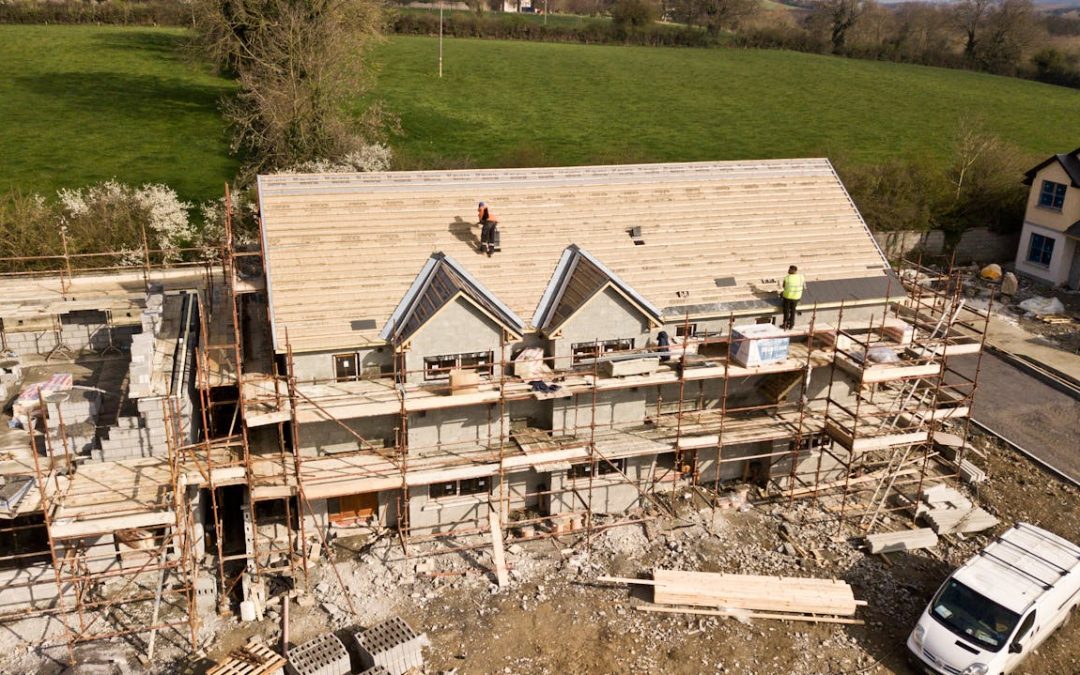
Understanding the Home Construction Process
Home construction is a multifaceted endeavor that involves several stages, each critical to achieving a final product that meets the homeowner’s vision. The process begins with planning and design, where architects and builders collaborate to create blueprints that align with the homeowner’s preferences and budget. This phase includes selecting materials, determining the layout, and ensuring that the design adheres to local building codes and regulations. Having a clear plan is essential, as it sets the foundation for the entire project and minimizes potential pitfalls during construction.
Selecting the Right Team
Choosing the right team for your home construction project is paramount. A good contractor is crucial to the success of your build, as they manage the day-to-day operations, coordinate subcontractors, and ensure that the project stays on schedule and within budget. It’s important to do thorough research, read reviews, and ask for recommendations from friends or family. Furthermore, engaging with architects and interior designers early on can help refine your vision, providing professional insights that elevate the overall design. Investing time in assembling a skilled team can make a significant difference in the quality and efficiency of the construction process.
Budgeting and Financing
Establishing a realistic budget is one of the most critical aspects of home construction. Costs can quickly escalate, so it’s essential to factor in all potential expenses, including labor, materials, permits, and unexpected contingencies. Homeowners should prioritize their needs versus wants, distinguishing between essential features and those that are more cosmetic. Additionally, exploring financing options such as construction loans, mortgages, or personal savings can help alleviate financial pressure. By maintaining a clear budget and being prepared for possible changes, homeowners can navigate the financial landscape of construction with greater confidence.
Sustainability in Home Construction
Sustainable home construction has gained significant traction in recent years, as more homeowners seek to reduce their environmental impact. This approach encompasses using eco-friendly materials, implementing energy-efficient systems, and considering the home’s overall carbon footprint. From solar panels to water-saving fixtures, sustainable practices can lead to long-term savings on utility bills and create a healthier living environment. Furthermore, many regions offer incentives for building green, making it an appealing option for budget-conscious homeowners. Embracing sustainability not only benefits the environment but also adds value to the property in an increasingly eco-aware market.
The Final Touches: Inspections and Moving In
As the construction phase nears completion, the focus shifts to final inspections and the all-important finishing touches. Local authorities will conduct inspections to ensure the home meets all safety and building standards, providing peace of mind for the new owners. Once the house passes inspection, it’s time for the final walkthrough, allowing homeowners to address any last-minute adjustments or concerns. After securing occupancy permits, the excitement builds as homeowners prepare for moving in. This stage, often filled with anticipation, marks the culmination of months of hard work, planning, and investment. Ultimately, successful home construction results in a space that not only meets practical needs but also reflects the unique personality and lifestyle of its occupants.