
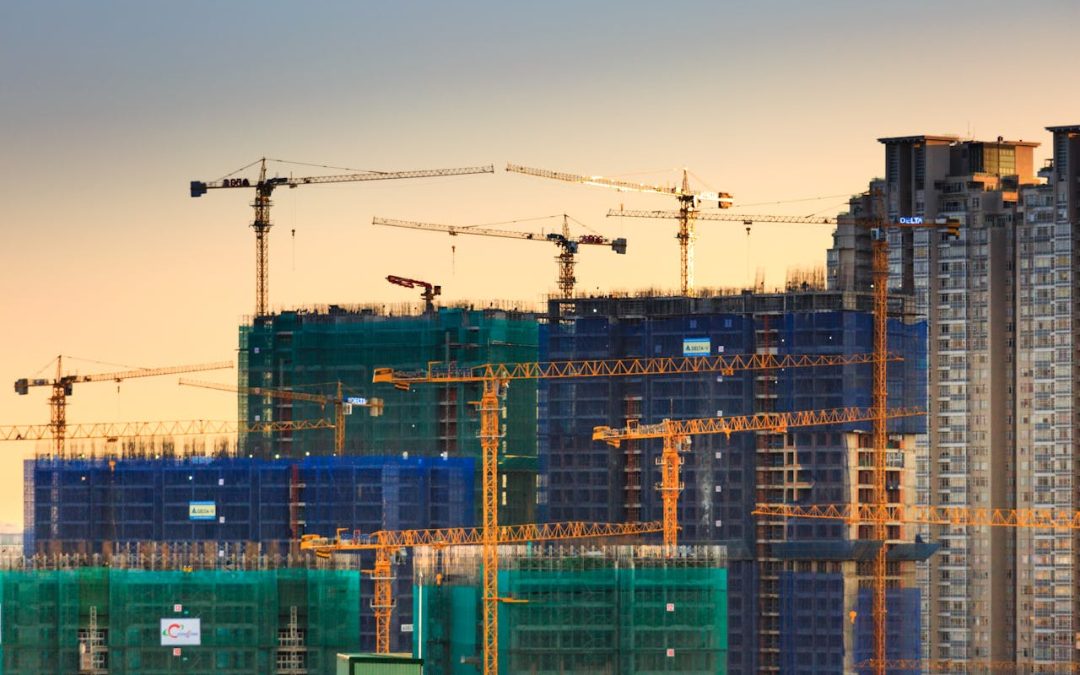
Construction is a dynamic and multifaceted discipline that encompasses the process of creating, building, and maintaining structures, from residential homes to large-scale commercial projects. It involves a variety of trades, skilled labor, and advanced technology. At its core, construction is about turning blueprints and architectural plans into tangible structures that serve specific purposes. The construction industry is not only crucial for economic growth but also plays a vital role in shaping our built environment. As urbanization continues to rise globally, the demand for innovative construction methods and sustainable practices has never been greater.
The Construction Process: Phases and Challenges
The construction process typically unfolds in several phases: planning, design, pre-construction, construction, and post-construction. Each phase presents unique challenges and requires effective project management to ensure timely and budget-conscious delivery. The planning phase involves feasibility studies, zoning regulations, and budget considerations. Once the design is finalized, the pre-construction phase focuses on procurement and mobilization. The actual construction phase demands coordination among various trades, adherence to safety standards, and quality control. Finally, the post-construction phase includes inspections, project handover, and maintenance planning. Navigating these phases effectively is essential for the success of any construction project.
Innovations in Construction: Technology and Sustainability
Innovation has become a cornerstone of the construction industry, particularly with advancements in technology and sustainable practices. The introduction of Building Information Modeling (BIM) has revolutionized how architects and contractors collaborate, allowing for enhanced visualization and error reduction before construction begins. Additionally, sustainable construction practices, such as using eco-friendly materials and energy-efficient designs, are gaining traction. These practices not only reduce the environmental impact but can also lead to long-term cost savings for building owners. The integration of smart technologies, such as IoT devices for building management, further enhances the efficiency and sustainability of modern construction projects.
The Workforce: Skills and Training
The construction industry relies heavily on a skilled workforce, which is increasingly in demand as projects become more complex. From general laborers to specialized tradespeople like electricians and plumbers, the need for skilled labor is crucial. However, the industry faces a significant skills gap, exacerbated by an aging workforce and the need for new talent. Training programs, apprenticeships, and vocational education are essential for preparing the next generation of construction professionals. Additionally, ongoing training in safety protocols and emerging technologies ensures that the workforce remains competent and competitive. Investing in workforce development not only benefits individual workers but also enhances the overall quality of construction projects.
The Future of Construction: Trends and Outlook
Looking ahead, the construction industry is poised for transformative changes driven by technological advancements and shifts in societal needs. The growing emphasis on sustainability is likely to reshape construction practices, as more stakeholders prioritize environmentally friendly approaches. Furthermore, automation and robotics are expected to play a significant role in improving efficiency and safety on construction sites. As urban areas continue to expand, innovative solutions such as modular construction and prefabrication may gain popularity, allowing for faster project completion and reduced waste. The future of construction is bright, with opportunities for growth and innovation that promise to redefine how we build and inhabit our world.